
Unplugged Hearths of the Julian Alps
Step into off-grid mountain cabins in the Julian Alps, where digital detox stays with vintage charm invite you to trade notifications for snow hush, woodsmoke, and starry ceilings. We’ll explore soulful shelters, practical tips, and heartfelt stories from travelers who found clarity by lantern light, brewed tea on iron stoves, and listened to creaking pines. Bring curiosity, pack lightly, and let slower rhythms show you how mountain silence restores attention, creativity, and warmth.
Finding Your Cabin Above the Clouds
Set your expectations around remoteness, altitude, and access as you search for a simple hideaway in the Julian Alps. Some cabins sit a short forest walk from a gravel road, others perch above glacial valleys with only a shepherd path and the whisper of larches. Consider sunlight for solar, spring water reliability, avalanche exposure in bold winters, and how far your legs, heart, and curiosity want to wander each day.
Not every hideout needs a summit view; sometimes the best silence lives a few ridgelines below. Higher cabins promise wider skies and colder nights, demanding thicker blankets and steadier firecraft. Lower cabins offer quicker retreats in bad weather and easier resupply. Balance solitude with safety, remembering fog can wrap valleys fast, storms saddle passes without warning, and the most meaningful moments often bloom where you can still reach help if needed.
Plot the last kilometer as carefully as the first. Forest tracks may welcome a cautious 4×4 in late summer, while spring thaws turn ruts into hungry trenches. Public buses toward Kranjska Gora or Bohinj shorten approaches, but darkness lengthens everything, so carry a headlamp with fresh batteries. In winter, skis or snowshoes replace boots, and wide shoulders replace speed. Always leave your route, ETA, and cabin coordinates with someone who cares.
July meadows smell of clover, cows ring soft bells, and thunderstorms arrive like quick-tempered guests. October paints larches copper and draws evenings early, perfect for long stews and thick socks. January demands layered wool, avalanche awareness, and reverence for wind. Spring returns meltwater to gullies and mud to boots. Every season grants a different pace, pantry, and packing list. Anticipate daylight hours, water sources, and trail conditions before the mountains offer their answer.

Vintage Details That Warm the Soul
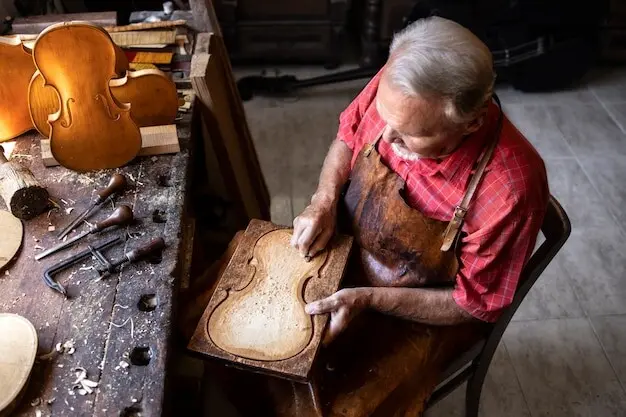
Old enamel mugs, iron stoves, wool blankets stitched by careful hands, and shelves lined with dog-eared maps transform simple cabins into living diaries. These details slow your breathing and widen your attention. They ask you to notice how a kettle hums, how a latch clicks, how window frost sketches new constellations. In such textures, time loosens its grip, and comfort feels earned rather than delivered, like kindness given freely at day’s end.
Prepare Your People and Your Boundaries
Tell colleagues and family exactly when you will vanish and return. Draft an out-of-office that sounds like a promise to yourself: clear times, emergency contacts, zero apologies. Download needed tickets, maps, and translations. Then delete shortcuts that beg you back. Name your intention on paper and tuck it into your book. When curiosity twitches toward your phone, remember you already informed the world. Your absence is not neglect; it is nourishment.
Morning Practices to Anchor the Day
Begin before sunlight tips over the ridge. Sit wrapped in a blanket and listen to the stove breathe. Brew mountain tea with juniper or pine needles, inhaling resin and patience. Journal three slow pages about weather, gratitude, and what you refuse to rush. Stretch by the door, feel cold air on cheeks, then walk the first hundred steps in silence. Platforms cannot follow you across frost. Attention returns, shy at first, then joyful.
Sustainable Off-Grid Systems That Simply Work
The best off-grid setups are humble, durable, and forgiving. Solar panels prefer clear southern aspects and honest maintenance. Gravity-fed springs love cleaned intake screens and closed lids. Woodpiles like order more than heroics. Compost wants balance and respect. Learn the cabin’s rhythm from the guestbook: when batteries fade, how long water runs clear after storms, which vents need opening before big burns. Stewardship here is skill, courtesy, and the cost of true independence.
Harvesting Sunlight and Caring for Batteries
Tilt and orientation matter more than wishful thinking. Brush snow off panels after storms, and avoid shade from a newly grown fir that wasn’t there last season. Conserve power like stories around a fire—shared, unhurried, precious. Charge essentials at midday, read by candle after dark. If an inverter grumbles, pause rather than push. Keep a multimeter and patience on hand. Good batteries are partners, not servants, and gratitude extends their useful, quiet life.

Water Wisdom From Spring to Snow
Treat every source as a gift. In dry spells, carry extra from lower taps and time dishwashing to sunlight, when panels welcome pumps. In winter, melt snow patiently, adding a little liquid water to speed the pot and protect metals. Filter even the clearest spring after heavy rain. Mark valves so guests avoid accidental floods. Remember kettles whistle louder at altitude, and a mug of hot water can be comfort masquerading as simplicity.
Hikes, Huts, and Hidden Valleys
From Lake Bohinj’s mirrored mornings to the stern switchbacks of the Vršič Pass, trails stitch together meadows, spruce forests, and limestone cathedrals. Alpine huts—koče—offer soups strong enough to forgive weather and benches perfectly shaped for boot-weary backs. Choose routes that respect clouds, calves, and daylight. Every valley keeps a secret: a suspended bridge, a dairy shed with fresh tolminc, a waterfall kissed by mist. Step lightly; wonder waits just past your breath.
An Easy First Loop Near Lake Bohinj
Follow a lakeside path where sunfish spark in shallows and families whisper to swans. Cut through beech woods scented with damp soil, then pause at a chapel that seems to hold time like a careful bowl. A gentle ascent reaches a meadow where cows chew slowly and bells lace the air. Bring bread, cheese, and a small thermos. The loop returns you rested, oriented, and ready for bolder lines on tomorrow’s map.
Ridgeline Ambitions Without Ego
If a blue-sky morning tempts you toward steep limestone, listen to wind, not pride. Study forecasts from Triglav National Park, pack layers, headlamp, microspikes, and humility. Consider a traverse that tags viewpoints without overcommitting to a summit. Eat early, turn back early, celebrate often. The best ridge walks feel like conversations with weather and stone, not arguments. Share your plan at the hut, note your return time, and keep strength for descent.
Rainy-Day Joy: Waterfalls, Museums, Bakeries
When storms flatten vistas, delight rises indoors and under trees. Wander to slap waterfalls ribboning down polished rock, where mist braids your hair and laughter sounds warmer. Tour a small alpine museum, reading diaries from shepherds and climbers who wrote braver sentences than emails ever will. Reward curiosity with still-warm bread and a slice of potica. Return to the cabin damp, happy, wiser about weather, and deeply ready for soup.
Local Flavors by Firelight
Mountain kitchens favor bold simplicity. Think polenta that holds heat, jota stew that repairs a long day, and cheeses like tolminc or mohant that taste of slopes and sun. Blueberries sweeten štruklji, honey drips from frames kept by highland beekeepers, and smoked sausages transform thin air into feast. Cook slowly, eat gratefully, and trade recipes in the guestbook. Then tell us your favorite pairing and subscribe for future alpine pantry inspirations.
Pantry Planning and Thoughtful Provisions
Carry staples that forgive altitude and patience: coarse salt, sturdy pasta, buckwheat, beans, olive oil, garlic, chocolate. Add local cheese bought on the valley floor and apples that travel without bruised drama. Choose ingredients that stretch across meals and create minimal waste. Pre-measure spices in tiny jars, and pack a cloth towel instead of paper. A good knife, a faithful pot, and a wooden spoon turn simple food into mountain ceremony.
Forage Kindly, Cook Slowly, Share Freely
If you gather berries or mushrooms, do it with a book, a basket, and humility. Take only what you recognize and need, and leave generous portions for wildlife and neighbors. Slow stews reward patience, especially when beans simmer while rain writes on the roof. Share extra bowls with hikers who arrive late and hungry. Hospitality is the oldest recipe here, and it always tastes better than anything cooked in a hurry.
All Rights Reserved.