
Hand and Heart of the Julian Alps
Step into the living heritage of the Julian Alps, where handwoven wool, woodcarving, and timeless design still shape daily life and quiet beauty. We journey from high pastures above Bohinj to woodshops near Kobarid, exploring techniques, stories, and principles that make Alpine artisan crafts enduring, useful, and deeply humane. Expect practical guidance for your own making, rich local anecdotes, and reflections on form that lasts beyond fashion. Share your experiences, ask questions, and subscribe if these mountains, materials, and methods speak to the work of your hands and the rhythm of your home.

Wool Born of Heights
On wind-brushed slopes, hardy flocks gift fibers that carry warmth, resilience, and the hush of snow. Spinners and weavers from Bohinj to Trenta coax strength and softness from clean fleece, transforming it into blankets, socks, and cloth that respect seasons, conserve resources, and celebrate human patience. Each skein testifies to small decisions—twist, tension, and dye—made with care and humility. As you learn, you will hear the gentle insistence of the mountains: work slowly, notice closely, and let utility guide beauty until both become indistinguishable in your hands.
Wood That Remembers Snow
Selecting the Right Log
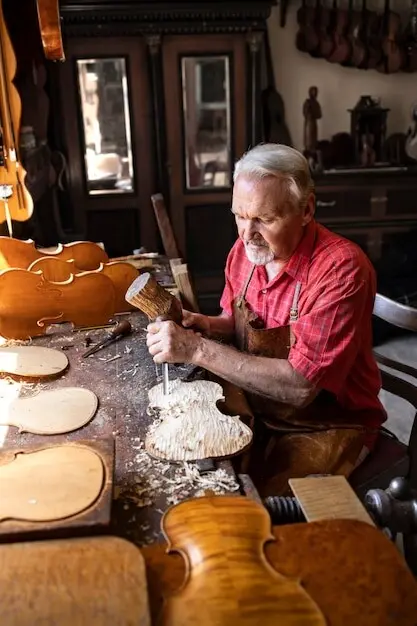
Seek slow-grown boards with even rings and few knots near working edges. Winter-felled wood often seasons more peacefully, a lesson many valley carpenters repeat without insisting on superstition. Let boards rest, stack with spacers, and accept that months outthink hours. Watch moisture content, mind end-grain sealing, and measure movement across humidity shifts. In Mojstrana, a maker keeps offcuts labeled by tree and slope, claiming the hillside’s wind grants particular patience to larch. Whether science or story, the practice breeds attention—and attention breeds longevity.
Knife, Gouge, Rhythm
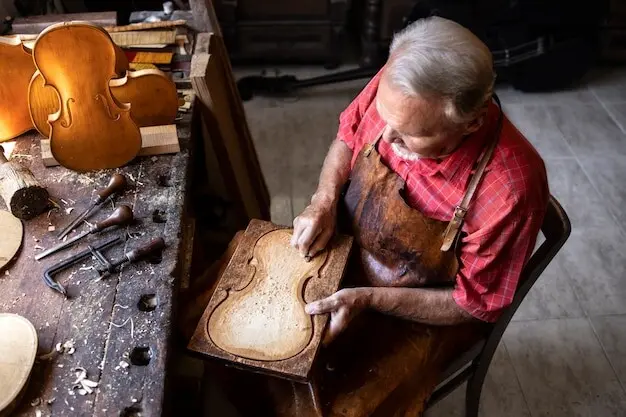
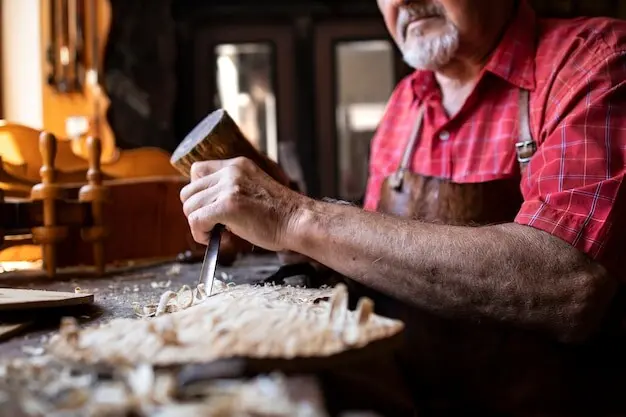
Secure your blank, mark grain direction, and begin with push cuts that respect fibers instead of bullying them. Gouges follow curves like skis trace powder, while stop cuts contain ambition before it tears ahead. Maintain edges on strops, sharpening early and lightly. A carver in Kobarid hums waltzes to pace his strokes, proving tempo steadies hands better than stubbornness. When chatter marks appear, switch direction, soften pressure, and let the tool teach you what the mountain taught the tree: growth favors small, consistent gestures.
Finishes that Breathe
Raw linseed oil, warmed and wiped thin, sinks until grain brightens without plastic glare. Beeswax from alpine hives adds a velvet touch, renewing quickly after washing. Avoid thick varnishes that trap moisture and amplify regret. Test on scraps before final coats, then cure with patience and moving air. In Bled, a family ladle has tasted soups for half a century, kept honest by occasional oiling and a ban on dishwashers. Finishes should honor wood’s breath, not silence it, so service endures with grace.
Timeless Forms, Contemporary Living
Design in these valleys refuses spectacle. It prefers proportion that feels inevitable, materials that age attractively, and functions that dignify daily routines. Think clean silhouettes softened by wool and warmed by wood, where ornament arrives late, helpful, and quiet. A bench by the stove, a blanket across the shoulders, a spoon that stirs without complaint—each earns its place by serving first and impressing second. Borrow lessons from hut lines and glacier light: reduce until meaning grows clearer, then stop before character is stripped away by overconfidence.
A Blanket that Crossed a Pass
A weaver from Tolmin once traded a dense twill blanket for safe passage during a storm, wrapping a shivering shepherd as both walked the ridge together. Years later, the blanket returned, edges darned, weight unchanged. It smelled faintly of smoke and juniper, carrying the hush of snowfields and the promise of hearths. The story endures because the cloth did what it was asked without complaint, proving usefulness can tie strangers into kin faster than signatures on clever paper ever could.
A Spoon for a Newborn
In Kobarid, a carver marks each new life with a small spoon whose handle fits a parent’s thumb and a baby’s palm. The first porridge, the first broth, and the first giggle leave an unseen varnish stronger than resin. When scratches arrive, they are celebrated, not hidden, because they speak of service fulfilled. The spoon follows the child to adulthood, packed beside blankets during departures, a pocket anchor reminding that home begins where hands remember their tools and food greets them kindly.
Repair as Respect
Visible mending honors time rather than erasing it. In Bohinj, woolen socks carry bright darning eggs, their patches bold as flags against winter. Wooden ladles accept stitched leather collars when edges thin. Repairs declare allegiance to making, community, and restraint, teaching that flaws can become guides instead of shame. Share your repairs, techniques, and hesitations; often a neighbor’s story removes fear better than any manual. When we fix, we vote for continuity, and continuity makes rooms feel trustworthy again.
Practical Guides for Your Hands
Starter Toolkit
For wool: hand carders, a drop spindle or reliable wheel, niddy noddy, and swift. For wood: a sloyd knife, a small gouge, a curved hook, and a strop with compound. Add clamps, a bench hook, beeswax, and oil. Choose a bright lamp, a forgiving apron, and a notebook that tolerates smudges. None of this must be expensive; used tools with stories often teach better than pristine sets that glare from shelves, untouched and secretly intimidating.

Setting Up a Simple Loom
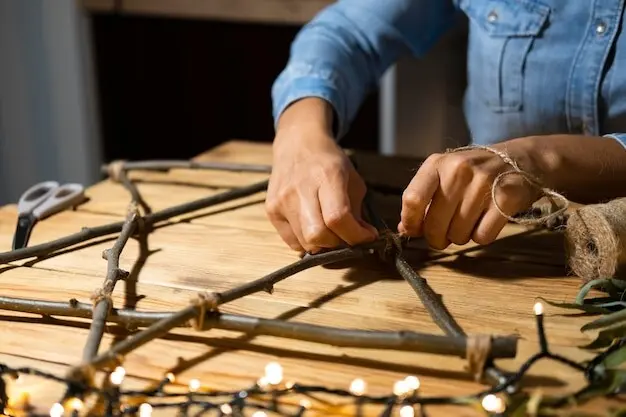
A frame loom or backstrap rig can live in a small apartment and pack away between sessions. Lash sturdy dowels, tie a continuous warp, and weight tension with a book if clamps are scarce. Use a shed stick, a ruler shuttle, and your fingers for selvedge discipline. Start with narrow bands or placemats to explore beat consistency before graduating to blankets. Photograph each step for later troubleshooting, and invite questions here so others can learn from your joyful missteps and quiet breakthroughs.
Carving Safely Indoors
Clamp your billet, cut away from your body, and wear a snug glove on the holding hand. Keep a small sweep broom nearby to collect chips for tinder or packaging. Pause frequently to strop; sharp edges behave predictably and ask for less force. Good light and steady breathing lower mistakes. Finish at the sink with gentle scraping, not frantic sanding. Share progress shots, especially failures; naming what went wrong equips the next attempt with calm, and calm multiplies accuracy like a kindly echo.
Sustainable Paths Through the Valley
Craft here begins with gratitude and restraint. Materials are local when possible, and waste becomes resource without self-congratulation. Makers partner with shepherds, foresters, and beekeepers, learning cycles that outlast trends. Packaging respects recipients and rivers; shipping decisions consider distance honestly. Repairs outshine replacements, and shared tools replace idle duplicates. By choosing this path, you practice patience that nourishes both objects and landscapes. Tell us how you source, what you reuse, and which compromises feel honorable, so others can borrow courage for their next responsible step.
All Rights Reserved.